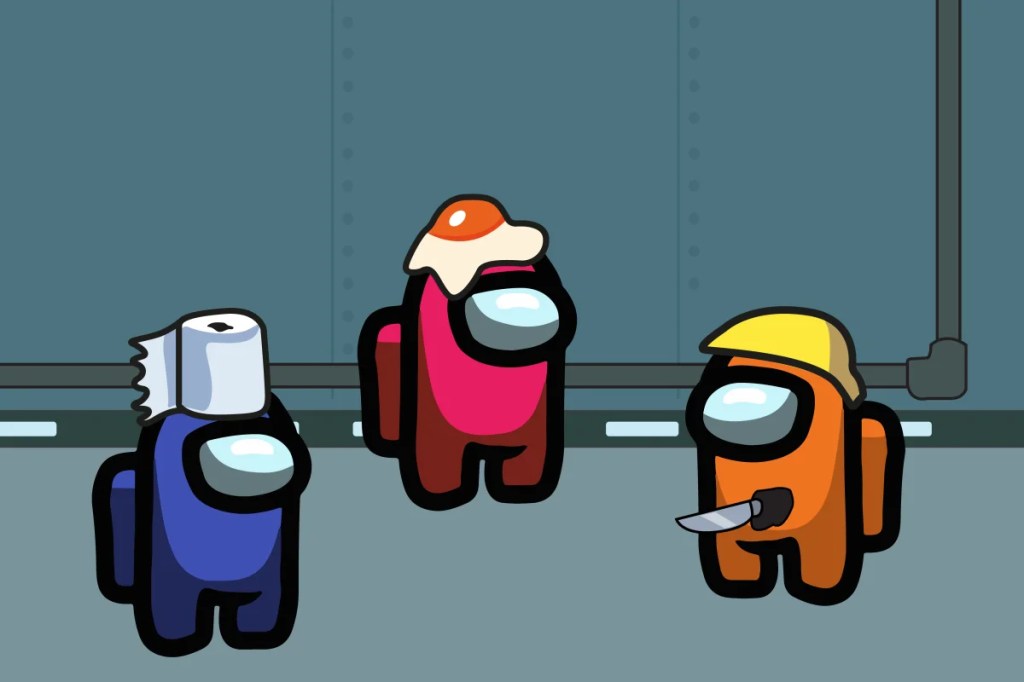
Just not what you think it is. O the irony.
Imposter syndrome is incredibly common in neurodivergent people. It comes up around diagnosis all the time, that feeling that perhaps we somehow fooled the assessor, researched too much, knew what to say, played autistic or ADHD a little too convincingly. But it turns up everywhere else too, particularly when we are stepping into something new, becoming more visible, being called an expert (woooot?) or a twat (surely true?), changing direction, being promoted, or doing anything where suddenly there is a bit more at stake.
And I think we often misunderstand what that feeling is actually telling us.
I love this Bukowski quote about intelligent people being full of doubts while idiots are full of certainty, and there is something in that which I find genuinely reassuring. Doubt itself is not a character flaw. Being able to wonder whether we have missed something, whether there is more to learn, whether we might be wrong, is actually quite a useful human capacity.
I certainly don’t aspire to the kind of confidence that involves being completely certain about everything while being spectacularly wrong.
The problem is more what happens when that little doubt voice gets promoted beyond its pay packet.
Why does the negative story win so easily?
Our brains have a negative bias because their job is not making us happy, it is keeping us alive. Negative information matters. Threat matters. The thing that went wrong gets filed rather more carefully than the perfectly pleasant afternoon where nobody died.
And for neurodivergent people there is often a lot of material for that negative bias to work with. Many of us have grown up being told, directly or indirectly, that we are too much, too sensitive, too disorganised, too emotional, not trying hard enough, wasting time, making things difficult.
Those stories become familiar. And familiarity can feel a hell of a lot like truth.
You can be told ten times that you are brilliant at something and think, that’s nice. Someone tells you once, in 2007, that you’re not very good at it and apparently that gets archived in a climate-controlled vault.
We are very, very good at finding the sticks and holding on to those and discard anything nice because, no danger there and therefore irrelevant (although this is precisely where we can fall prey to love bombing predators – a story for another time).
The seductive bit is certainty
I think this is where imposter syndrome becomes really interesting.
The brain is always trying to make sense of things, and when we move into unfamiliar territory there is uncertainty. We don’t know yet whether we can do the thing, how it will go, how other people will respond, or quite who we are in relation to it.
Then along comes the old story.
You don’t belong here.
Well, there we are then. Problem solved.
It’s a shit answer, obviously, but it is an answer.
And certainty, even unpleasant certainty, can feel safer than sitting in the much more uncomfortable place of not knowing yet.
That is why I don’t think we need to wage war on imposter syndrome or convince ourselves that we are secretly magnificent at all times. I think it is more useful to notice what the doubt is trying to achieve.
Quite often it is saying: this matters, this is new, I don’t know what happens next and I would very much like a guarantee.
Sadly, if you need a guarantee, buy a kettle (thanks Jo for that one).
Let doubt have a job, just not the top job
There is something useful about the part of us that asks questions. It can stop us becoming complacent, make us curious, encourage us to learn and sometimes point towards something we genuinely need to pay attention to.
But it doesn’t need to run the whole fucking operation.
The harder practice for many of us is not learning how to criticise ourselves more accurately. We have generally got that covered. Gold star. PhD. Lifetime achievement award.
The harder practice is letting other evidence land.
Actually noticing when we have done something well. Allowing praise to stay in the room for more than seven seconds. Trusting ourselves a little more. Letting maybe I can do this become familiar enough that it doesn’t immediately feel like dangerous levels of arrogance.
Because imposter syndrome isn’t proof that we are imposters.
Often it is just the feeling that appears when we move beyond what is familiar, particularly when what we are doing matters to us.
The doubt voice can stay. I don’t want to get rid of mine.
I just don’t want it captaining the ship.


Leave a Reply